How Do Logging Operations Affect Soil Compaction?
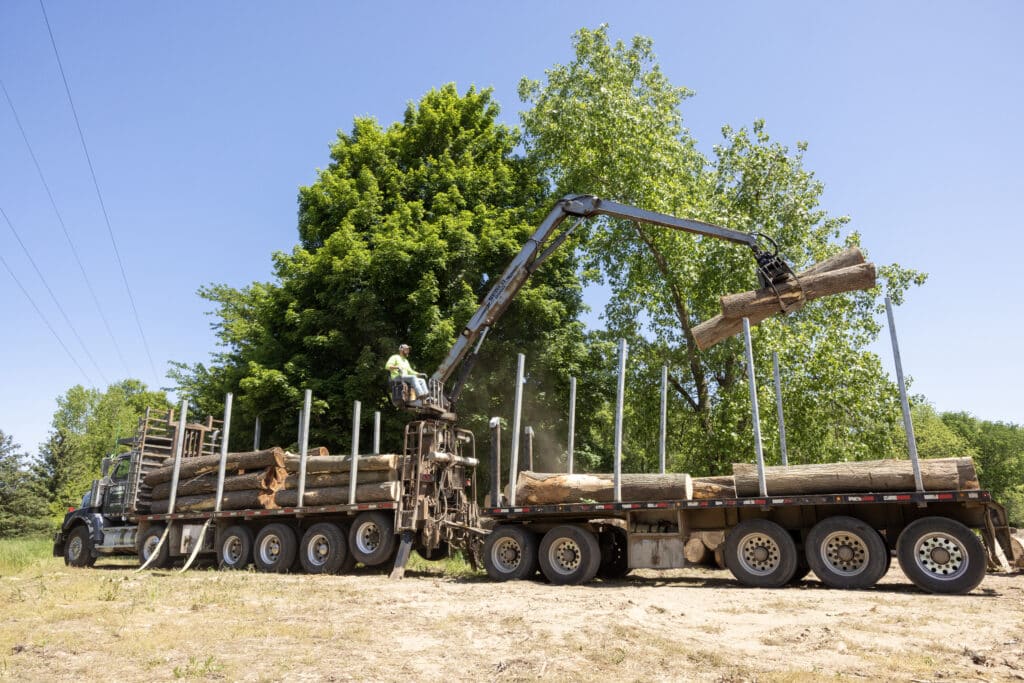
When it comes to timber harvesting, it’s easy to only think about your trees. However, you should also consider the effects it can have on your soil. The heavy machinery used in logging can compact your soil, affecting forest health and slowing regeneration. In this blog, we’ll explore how logging operations contribute to soil compaction […]
Prepare Your Woodlot in the Fall for a Successful Timber Harvest in the Winter
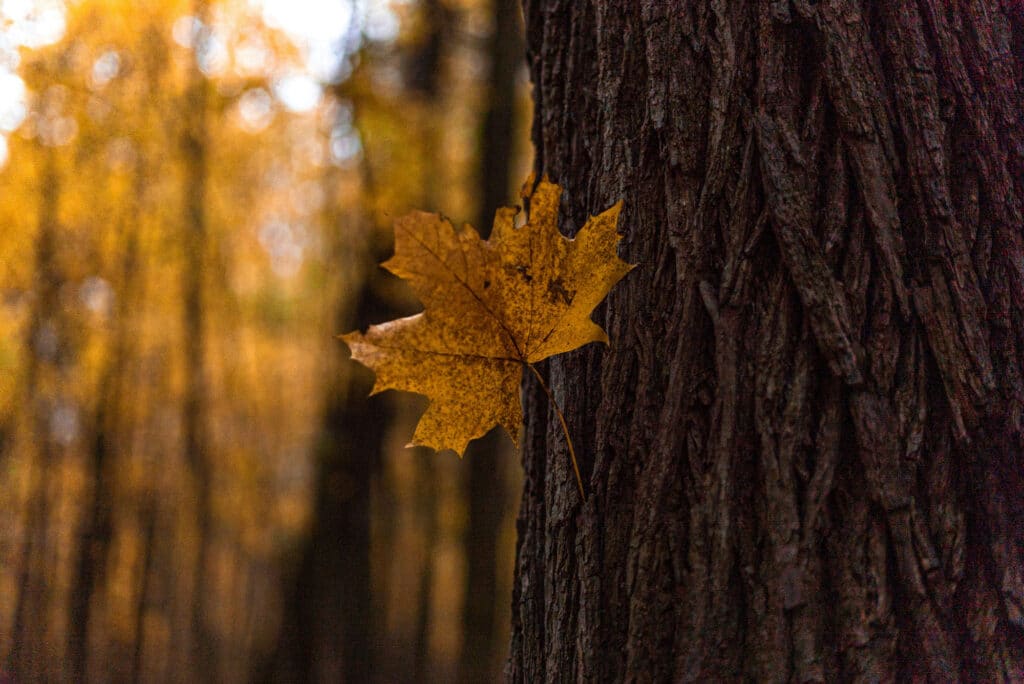
Harvesting timber in the winter offers several advantages for your property. The cooler months bring less soil compaction, easier transportation, reduced sap content, a thinner canopy, minimized wildlife disturbance, and more. That’s why fall is the perfect time to ensure your woodlot is ready for a winter harvest. How can you prepare your woodlot for […]
A Guide to Standing Walnut Timber: Identification & Harvesting From Your Woodlot in Michigan
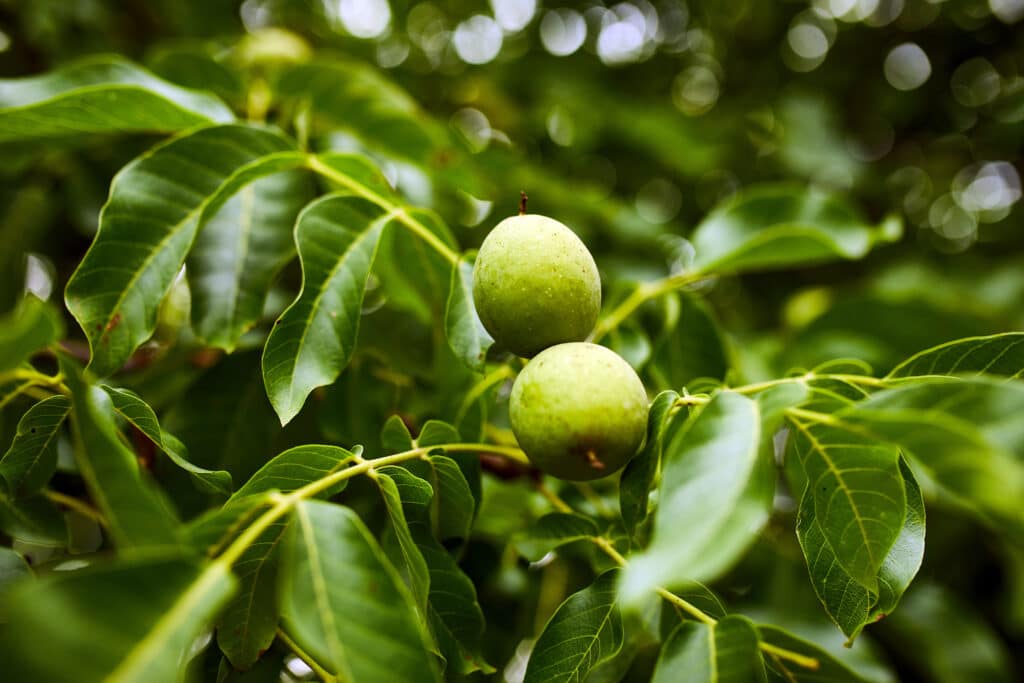
If you have walnut trees in your woodlot, they are most likely Black Walnut. Native to Michigan, black walnut trees are the most common walnut species in the state and are prized for their fine, straight-grained hardwood, dark color, durability, and resistance to warping. These desirable qualities make these trees a top choice for high-end […]
Hardwood Lumber Grades & NHLA Grading Rules
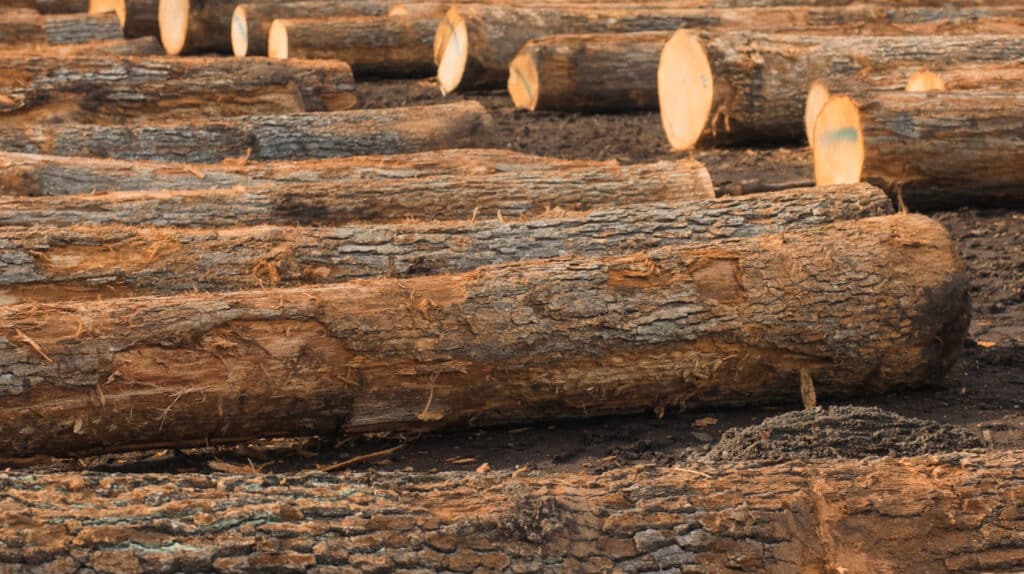
Why do they matter to you and your woodlot? Did you know that your hardwood trees have grades? These grades are a classification that reflect the overall quality and intended use of timber. This grading system is based on established industry standards that take into account knot size and frequency, slope of grain, and any […]
Forest Management Planning for Landowners

Owning a large forested property is quite literally the only investment where money grows on trees. That’s why it’s important to protect that investment with a forest management plan. Keep your forest healthy and thriving so that you can continue to profit from your woodlot later down the line. What is a Forest Management Plan? […]
What is Thinning in Forestry?

Michigan is one of the country’s most densely forested states, and proper forest management is key to keeping its expansive woodlots healthy and thriving. Thinning is one sustainable forestry practice recommended to many landowners to improve their existing forest stands. Forests are naturally thick and spaced closely together: and this density means that the trees […]
A Guide to Standing Oak Timber: Identification & Harvesting From Your Woodlot in Michigan
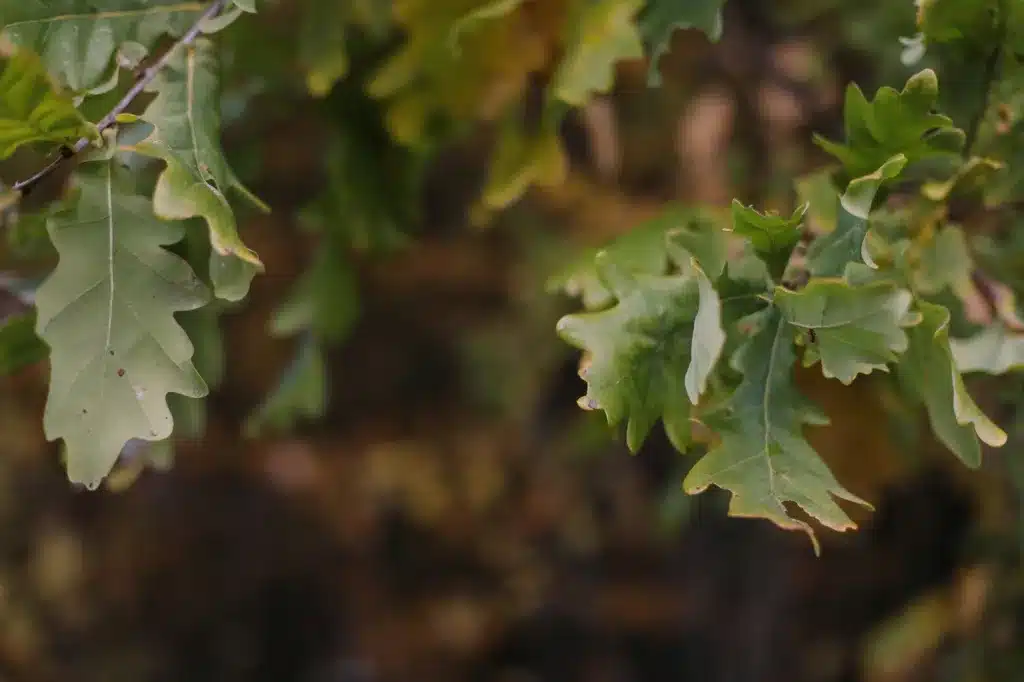
If you own a large acreage in Michigan, chances are that many of the hardwoods on your properties are oak. With over 600 different species, 10 of which are native to Michigan, oaks are one of the most abundant hardwoods in the region. Identifying Oak Tree Species While there are many different oak species native […]
Why Winter May Be The Ideal Time for Your Timber Harvest
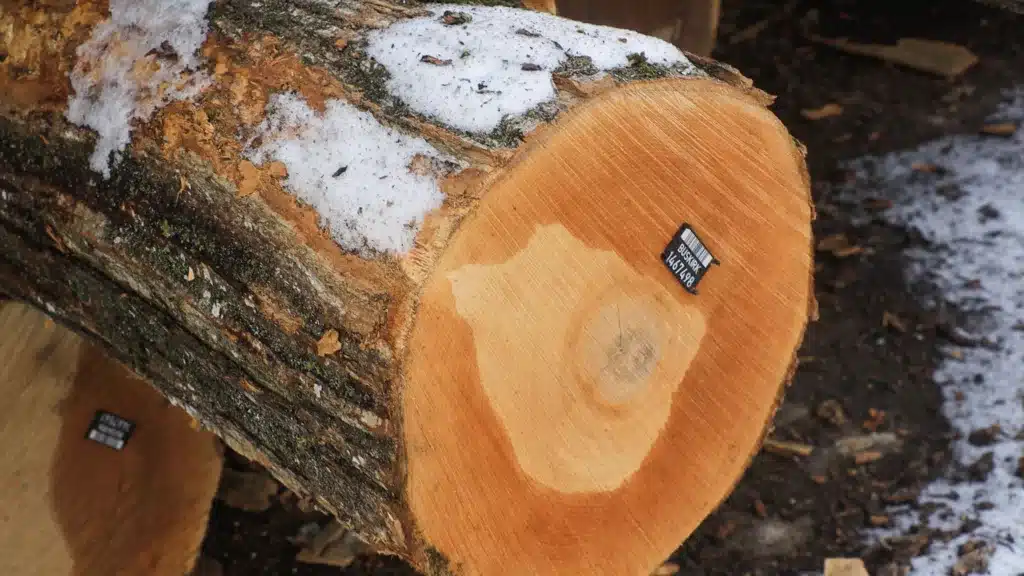
Looking for the best time to harvest trees from your woodlot? The winter months are one of the best times for harvesting sustainably while reducing environmental impact. Not only does a winter harvest align with your woodlot’s natural processes, but it also helps to minimize effects on the soil and vegetation of your property. While […]
Learn How to Identify Different Hardwood Trees in Michigan
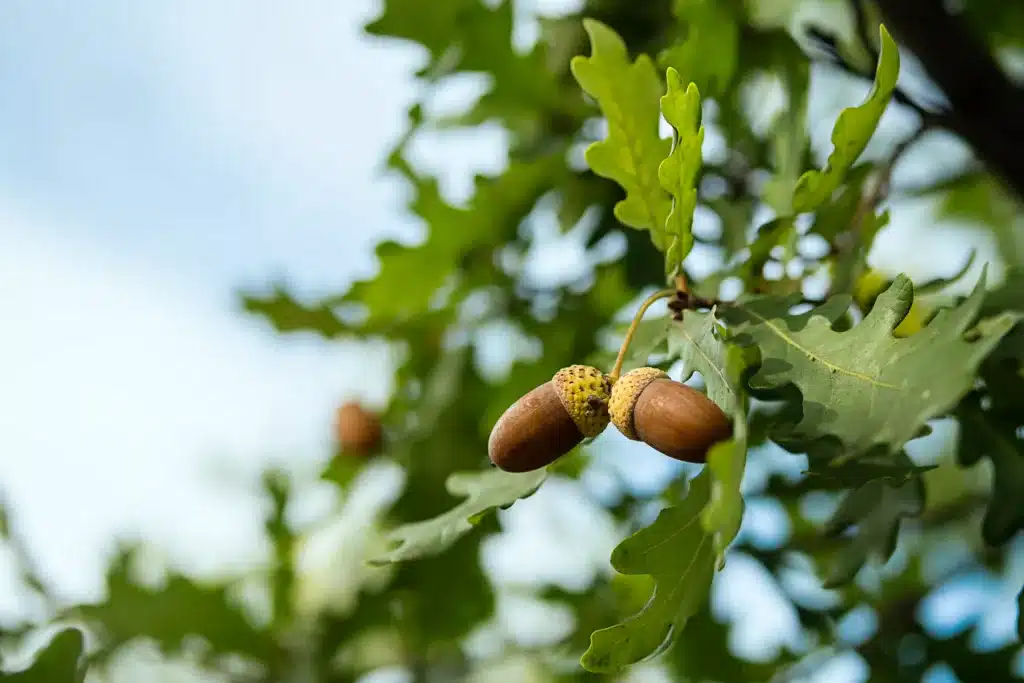
Do you know what kind of hardwoods are in your woodlot? With over 19 million acres of forest cover, Michigan is home to a variety of different hardwood species. And of those species, some of the most valuable are maple, oak, walnut, and cherry. In this blog post, we help you identify the most valuable […]
A Guide to Maple Standing Timber: Identification & Harvesting From Your Woodlot in Michigan

Michigan is one of the most forested states in the country, with approximately 53% of its land area covered with forests. One of its most common tree species? Maples! In this blog post, we help you identify the most common maples, their characteristics, and their value when sustainably harvested from your private land! Identifying Maple […]